

Description
When you're still plugged in at home, they frequently use grid power to preheat the battery before you drive. A little preparation, such as scheduling a departure time in the app, makes that chilly morning seem insignificant. The result is that you might see a temporary drop in available range - think of it as your car's way of saying, "I need a moment to warm up." The good news? Let's peel back the layers. They preheat the battery before you drive, often using grid power while you're still plugged in at home.
That's not a defect; that's just physics. When temperatures drop well below freezing, the chemical reactions inside your battery slow down. You're much more likely to need to plug in and recharge your car overnight in cold weather because there isn't much room to drive a car with low battery life. Your car's battery is more likely to overheat or become too cold the longer it is left in harsh environments. Think of it like this: fast charging is like having a heavy foot on a petrol car - it uses a bit more fuel and adds wear, but it doesn't destroy the engine.
The capacity loss of a car parked in Phoenix, Arizona, may be marginally greater than that of a car parked in San Francisco, but these are single-digit percentage differences over a ten-year period, https://autopowercare.com/real-time-electrical-diagnostics-how-to-read-car-battery-voltage-using-an-obd2-scanner/ not a precipitous decline. Extreme heat can hasten chemical aging, while extreme cold can momentarily shorten range. The climate also has an impact. EV batteries are tested for years in scorching deserts and frozen tundras. Compared to road trips, that is the one situation that can cause the pack more stress.
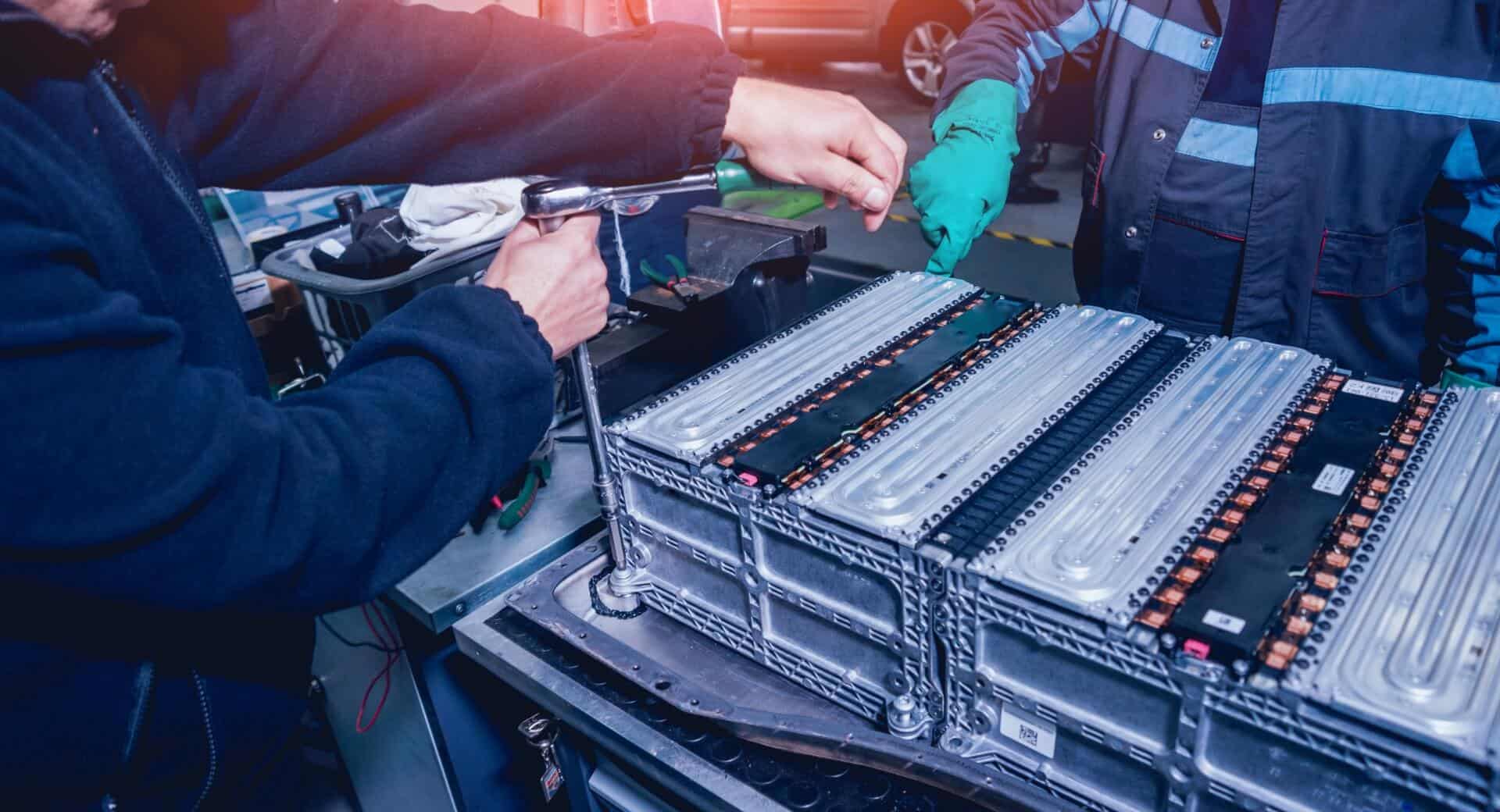 Rather, limit your daily driving charging to 80% and only fill up to the brim just before a lengthy trip. One useful piece of advice is to avoid leaving your battery fully charged for days in extremely hot conditions. Years of dependable service are what your car will thank you for. The various battery chemistries available on the market may also pique your interest. Their longevity is a key selling point, but they offer a little less range per pound due to their slightly lower energy density.
While lithium iron phosphate (LFP) batteries, which are found in many low-cost or entry-level models, are known for their extraordinary cycle life, nickel manganese cobalt (NMC) batteries, which are frequently found in more recent EVs, are excellent for energy density. LFP batteries can withstand many more cycles of charging and discharging, sometimes surpassing 3,000 cycles, which is practically a lifetime supply for the majority of owners. In cold weather, you're much more likely to need to plug in and recharge overnight, as there's not much scope for driving a car with little juice in its battery.
That's not a defect; that's just physics. When temperatures drop well below freezing, the chemical reactions inside your battery slow down. You're much more likely to need to plug in and recharge your car overnight in cold weather because there isn't much room to drive a car with low battery life. Your car's battery is more likely to overheat or become too cold the longer it is left in harsh environments. Think of it like this: fast charging is like having a heavy foot on a petrol car - it uses a bit more fuel and adds wear, but it doesn't destroy the engine.
The capacity loss of a car parked in Phoenix, Arizona, may be marginally greater than that of a car parked in San Francisco, but these are single-digit percentage differences over a ten-year period, https://autopowercare.com/real-time-electrical-diagnostics-how-to-read-car-battery-voltage-using-an-obd2-scanner/ not a precipitous decline. Extreme heat can hasten chemical aging, while extreme cold can momentarily shorten range. The climate also has an impact. EV batteries are tested for years in scorching deserts and frozen tundras. Compared to road trips, that is the one situation that can cause the pack more stress.
Rather, limit your daily driving charging to 80% and only fill up to the brim just before a lengthy trip. One useful piece of advice is to avoid leaving your battery fully charged for days in extremely hot conditions. Years of dependable service are what your car will thank you for. The various battery chemistries available on the market may also pique your interest. Their longevity is a key selling point, but they offer a little less range per pound due to their slightly lower energy density.While lithium iron phosphate (LFP) batteries, which are found in many low-cost or entry-level models, are known for their extraordinary cycle life, nickel manganese cobalt (NMC) batteries, which are frequently found in more recent EVs, are excellent for energy density. LFP batteries can withstand many more cycles of charging and discharging, sometimes surpassing 3,000 cycles, which is practically a lifetime supply for the majority of owners. In cold weather, you're much more likely to need to plug in and recharge overnight, as there's not much scope for driving a car with little juice in its battery.

Positive Seller Ratings
100%
Ship on Time
100%
Seller Reviews
0
Sold By
Nissie Versluis
Positive Seller Ratings
100%
Ship on Time
100%
Seller Reviews
0